
A First-Timer's Guide to Traveling Japan: What Every Visitor Should Know
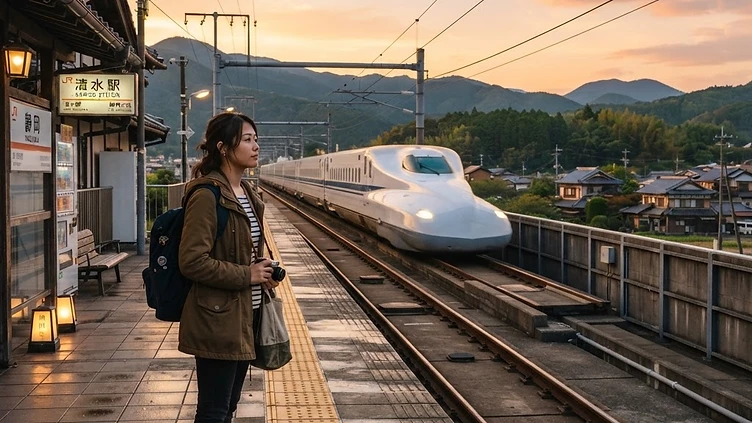
Japan has a way of exceeding expectations, even for travelers who've done their homework. The trains run on a schedule you can set your watch to, the streets are spotless, and the culture of politeness runs deep. But a few country-specific quirks can trip up first-timers, so here's a practical rundown to help you move through Japan like someone who's done this before.
Getting Around: Trains Are Your Best Friend
Japan's rail network is the backbone of travel here, and mastering it early will save you time and stress.
- Look into a rail pass that covers your route before you arrive — some passes must be purchased outside Japan, so check current rules well ahead of your trip.
- Download a transit app that works offline, since not every station has reliable signal underground.
- Stand to one side on escalators (which side depends on the city) and let people pass on the other.
- Keep a small coin purse handy — ticket machines and some local shops still prefer cash for smaller amounts.
Shinkansen (bullet trains) are fast, clean, and shockingly punctual. Arrive at the platform a few minutes early, because the train will not wait.
Cash, Cards, and Everyday Spending
Japan has modernized quickly, but it remains more cash-friendly than many visitors expect. Convenience stores, vending machines, and smaller family-run restaurants may not accept cards, while larger hotels and department stores usually will. A good habit is to carry enough cash for a day's meals and transport, and use cards for bigger purchases like accommodation. ATMs inside convenience stores are generally reliable for withdrawals, so you're never too far from more cash if you run low.
Etiquette That Actually Matters
You don't need to memorize a manual of rules, but a handful of habits will make daily interactions smoother and show respect for local customs.
- Remove your shoes when entering homes, traditional inns, and some restaurants — look for a shoe rack near the entrance as your cue.
- Keep phone calls to a minimum on trains; texting is fine, calling is not.
- Avoid eating while walking in busy areas — it's more common to eat standing near where you bought the food or find a seat.
- Tipping isn't expected and can sometimes cause confusion if offered, so excellent service is simply part of the experience.
Bowing is everywhere, but as a visitor, a polite nod and a smile go a long way. Nobody expects perfection.
Staying Connected From the Moment You Land
Japan's airports are efficient, but hunting for a local SIM counter after a long flight is not how you want to start your trip. Many travelers now set up a travel eSIM before departure, so data is active as soon as the plane touches down — useful for navigating train transfers, translating menus, or confirming your hotel's address in a taxi. Since eSIMs install digitally, there's no need to swap out your home SIM card or worry about losing a tiny piece of plastic in your pocket. Just confirm your device is eSIM-compatible and unlocked before you travel, and activate your plan ahead of time so it's ready to go on arrival.
Seasonal and Regional Considerations
Japan stretches across a long chain of islands, so weather and crowds vary significantly by region and time of year. A few general planning habits apply no matter when you go:
- Pack layers, since indoor heating and air conditioning can be strong regardless of the season outside.
- Check whether your travel dates overlap with major national holidays, as trains and popular sites can get considerably busier.
- Comfortable walking shoes are essential — expect to cover long distances on foot between train stations and attractions.
- If you're visiting shrines or temples, dress modestly and be mindful of quiet, reflective spaces.
Language and Everyday Communication
English signage is common in major cities, especially around transit hubs, but it thins out quickly in smaller towns. Learning a handful of polite phrases — hello, thank you, excuse me — is appreciated and often returned with extra warmth. Translation apps work well for menus and signs, especially when you have a stable data connection to rely on in real time rather than searching for Wi-Fi.
Final Checklist Before You Go
- Confirm whether a rail pass suits your itinerary and purchase it according to current requirements
- Carry a mix of cash and cards, and locate ATMs near your accommodation
- Learn a few basic etiquette habits, especially around shoes, trains, and eating in public
- Set up and activate your travel eSIM before departure so you land already connected
- Pack adaptable layers and comfortable footwear for long walking days
- Check national holiday calendars if your trip overlaps with peak travel periods
With these basics in place, you're free to focus on what makes Japan unforgettable — the food, the temples, the neon-lit streets, and the quiet gardens tucked just behind them.